
See also: Best Travel Backpacks for Canadian Backpackers 2026.
AI-narrated version of this post using a synthetic voice. Great for accessibility or listening while busy.
Affiliate disclosure: NorthMarkets participates in the Amazon Associates program and other affiliate partnerships. We may earn a commission on qualifying purchases made through links on this page, at no additional cost to you. Shop names, market details, and recommendations reflect our own research and are not paid placements. See our Disclaimer for full details.
Charleston has been a port city since 1670, and its shopping streets still show it — three centuries of English, French Huguenot, West African, and Caribbean influence layered into one compact, walkable historic district. For antique hunters and home decor shoppers, that history isn’t background color, it’s inventory: genuine 18th- and 19th-century English and American furniture, Lowcountry fine art, and one of the most significant living folk-art traditions in the country, sweetgrass basket weaving, are all sold within a few blocks of each other downtown. King Street itself has been recognized by Travel + Leisure readers as some of the best antique shopping in the country, and it’s dense enough that knowing where to start matters. Here’s how to actually shop it.
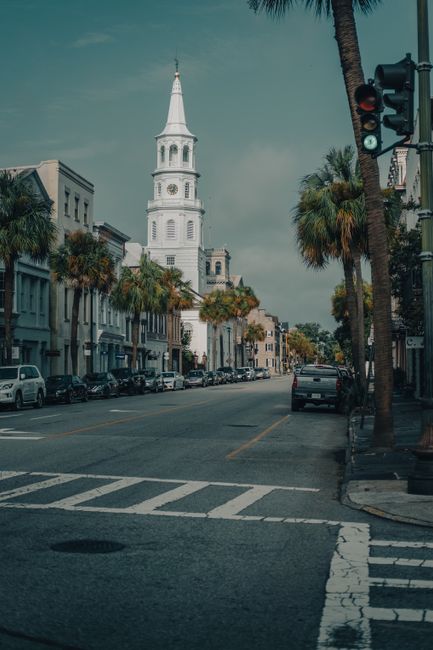
Photo by Connor Scott McManus on Pexels
King Street: Three Districts in One Walk
King Street is Charleston’s spine, running roughly a mile and a half through downtown, and locals think of it in three distinct sections, each with a different shopping personality. Knowing which stretch you’re on saves a lot of wasted walking.
Lower King: Antique Row
The blocks of Lower King between the Battery and Broad Street are Charleston’s historic antique district, sometimes called Antique Row, with roughly 30 to 40 specialized antique shops concentrated in this section alone. The anchor here is George C. Birlant & Co., a family-run shop founded in 1922 that has specialized in 18th- and 19th-century English antiques for a century now — the kind of place where a genuine Georgian sideboard or a set of English silver sits alongside smaller, more portable pieces like brass fireplace tools and porcelain. A few doors down, Wynsum Antiques & Interiors and John Pope Antiques both run curated showrooms worth a slower browse, and the Antiques and Interiors Market on King (AIM) gathers several individual dealers under one roof, so quality and pricing shifts stall to stall the same way it does at a multi-vendor mall. It rewards ducking into more than one shop rather than treating Birlant as the whole trip.
Middle King: Boutiques and Only-in-Charleston Finds
The quieter two-block stretch between Market and Queen Streets is home to independent boutiques you won’t find in a mall — locally designed home textiles, Charleston-specific gifts, and small-batch goods. It’s a good pace-changer between the higher-stakes antique browsing of Lower King and the busier Upper King fashion district.
Upper King: Design District
Upper King has become the city’s contemporary design and fashion corridor, with home goods showrooms and higher-end furniture stores mixed in among restaurants and hotels. It’s less about antiques and more about how Charleston’s design sensibility — heavy on rattan, linen, and Lowcountry blue-and-white — gets translated into new furnishings, which is useful context even if you’re mainly there for the old stuff.
Charleston City Market
A few blocks off King Street, the Charleston City Market has operated continuously since 1841, spanning four full blocks between Meeting and East Bay Streets. Inside the historic market sheds and the Great Hall (added in 2011), local vendors sell art, jewelry, clothing, and decorative items — but the market’s real signature is basketry.
More than 50 resident Gullah artisans sell sweetgrass baskets here, continuing a weaving tradition carried down through Gullah-Geechee families for more than 300 years, using locally harvested sweetgrass, bulrush, and palmetto in techniques passed from mother to daughter since before the Civil War. A well-made sweetgrass basket is a genuine investment piece — larger, intricately coiled baskets from established weavers can run into the hundreds of dollars, while smaller coasters and bread baskets typically start in the $20 to $40 range — and buying directly from the artisan at their stand, rather than a pre-packaged version in a gift shop, is both the more authentic purchase and the one that puts the money directly in the weaver’s hands. If you don’t find the right piece at the City Market, sweetgrass weavers also set up along Meeting Street near the Shop Historic Charleston store and at the Sweetgrass Basket Pavilion at Mount Pleasant Memorial Waterfront Park just across the Ravenel Bridge.
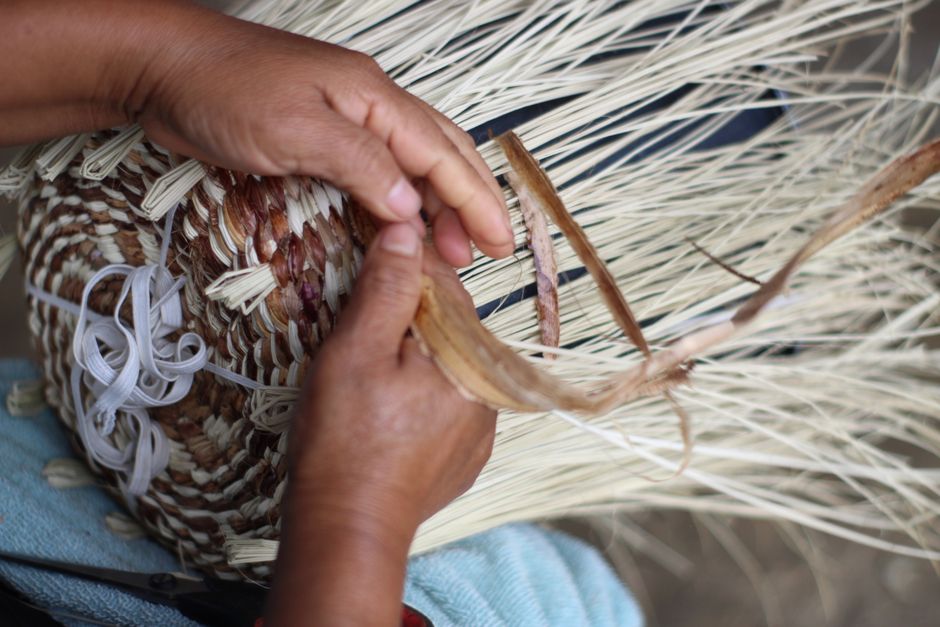
Photo by Joice Rivas on Pexels
Broad Street’s Gallery Row
Historic Broad Street — the “B” in Charleston’s old “Four Corners of Law” intersection — has quietly become the city’s fine art corridor, often called Gallery Row. About 15 galleries sit directly on Broad Street, with another two dozen scattered on the surrounding blocks, showing everything from traditional Lowcountry landscape painting to contemporary and abstract work. Lowcountry Artists Gallery, an artist-owned cooperative and one of the oldest fine art galleries in the city, is a good first stop for classic Charleston harbor and marsh scenes. For work rooted specifically in Gullah culture, look for galleries showing artists in the tradition of Jonathan Green, whose vividly colored paintings of Gullah life are among the most recognized Lowcountry art of the past several decades — several Broad Street and nearby galleries carry work from artists working in a similar vein, alongside African-American-owned galleries that focus specifically on Gullah and Southern Black art history. The Gullah culture behind this artwork and the sweetgrass basket tradition developed among enslaved West Africans and their descendants along the South Carolina and Georgia coast, and it remains a living, working culture today rather than a historical footnote — worth keeping in mind as context for what you’re buying.
Getting to Charleston and Getting Around
Charleston International Airport (CHS) is about a 15 to 20 minute drive from downtown and has direct connections to most major US hub cities, plus a handful of seasonal routes; Canadians will typically connect through a US gateway city. Once downtown, you genuinely don’t need a car — King Street, the City Market, and Broad Street’s Gallery Row are all within a comfortable 20-minute walking loop, and parking in the historic district is both limited and pricier than in most mid-sized US downtowns, so plan on walking or a short rideshare from your hotel rather than driving between stops. Most Lower King antique shops open around 10 a.m. and close by 5 or 6 p.m.; the City Market runs later into the evening, especially on weekends, and is a good after-dinner stop if your shopping day ran long. Early weekday mornings are the quietest time to browse Antique Row before tour groups arrive.
What to Budget and How to Build Your Day
Price ranges vary widely across the three shopping areas, which is worth knowing before you set expectations. On Lower King, smaller decorative antiques — porcelain, brass fireplace tools, small silver pieces — typically run $50 to $300, while case furniture like sideboards or dining sets from established dealers like Birlant can run well into four figures for a genuine period piece. At the City Market, sweetgrass baskets span the widest range of any single category: small coasters and bread baskets start around $20 to $40, mid-size baskets commonly run $75 to $200, and large, intricately coiled show baskets from well-known weavers can run several hundred dollars or more. Broad Street gallery work varies by artist and medium, but original paintings from established Lowcountry or Gullah artists commonly start in the low hundreds and climb from there for larger or more established names.
If you only have half a day, prioritize Lower King and the City Market — that combination covers both serious antiques and the sweetgrass basket tradition in a single compact loop, roughly a 20-minute walk apart. A full day lets you add Broad Street’s Gallery Row and Middle and Upper King at a more relaxed pace, with a lunch break somewhere around the Market as a natural midpoint. Weekday mornings, particularly Tuesday through Thursday, tend to be the quietest window across all three areas; weekends bring heavier tourist and cruise-passenger foot traffic, especially at the City Market.
What Makes Lowcountry Decor Distinct
Charleston’s decorating language is its own thing, separate from generic “coastal” style:
- Sweetgrass basketry. Coiled sweetgrass, bulrush, and palmetto baskets, ranging from small bread baskets to large decorative “show baskets,” are the single most recognizable Lowcountry craft object — functional, handmade, and unlike anything produced outside the Gullah-Geechee corridor of the South Carolina and Georgia coast.
- English and American period antiques. Charleston’s colonial and antebellum wealth left an unusually deep supply of genuine 18th- and 19th-century furniture and silver still in circulation locally, rather than having been sold off to national auction houses decades ago.
- Lowcountry landscape and Gullah art. Marsh grass, live oaks, shrimp boats, and scenes of Gullah island life are recurring subjects across Charleston’s galleries, forming a distinct regional school of Southern painting.
- Decorative wrought iron. Charleston’s gates, balconies, and fences are a living craft tradition in their own right, carried forward by blacksmiths trained in the lineage of Philip Simmons, the city’s best-known 20th-century ironworker — smaller decorative iron pieces occasionally show up in Broad Street shops and antique dealers as a distinctly Charleston addition to a Lowcountry-styled room.
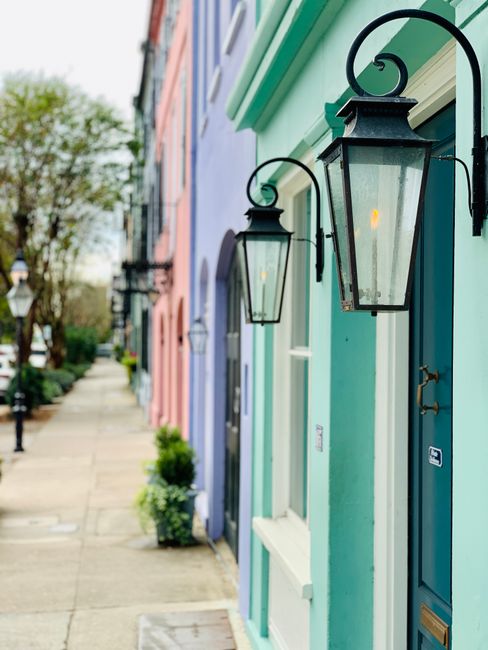
Photo by Alex Putman on Pexels
Authentic Craftsmanship vs. Mass-Produced Souvenirs: A Buyer’s Trade-Off
Not every basket-shaped object sold in Charleston is a hand-coiled sweetgrass basket, and that’s worth knowing rather than treating as a scandal — some gift shops sell lower-cost machine-made or imported look-alikes at a more accessible price point, which is a legitimate option if budget matters more than provenance. If authenticity matters to you, buy directly from a weaver at their stand at the City Market or the Mount Pleasant pavilion rather than from a shelf inside a general gift shop, ask how long the piece took to make (real sweetgrass work is slow, and pricing reflects that), and expect visible hand-coiling variation rather than machine-perfect uniformity. The same logic applies to “antique” furniture on King Street — a reputable Antique Row dealer will tell you plainly whether a piece is a period original, a later reproduction in a period style, or a genuine antique that’s been restored, and the price should track which one you’re buying.
Getting Your Finds Home
Sweetgrass baskets are surprisingly durable for their delicate appearance and travel well in a carry-on if you keep them out of a crushable spot in your bag, but framed art, porcelain, and antique glass from King Street need real protection. Pack a roll of bubble wrap and packing paper for smaller breakables, and if you’re bringing home an unframed painting or a large flat textile, a rigid art and poster shipping tube keeps it from creasing in transit. Buying more than you planned is a good problem to have but a bad one to discover at check-in — a packable collapsible duffel bag gives you a second checked bag for the flight home, and a digital luggage scale saves you from a surprise overweight fee at the airport counter. Several Lower King antique dealers also offer shipping for larger furniture pieces, which is almost always the better call than trying to check a sideboard as luggage.
What to Bring for a Charleston Shopping Trip
Between King Street, the City Market, and the antique shops on Broad Street, a Charleston shopping day mixes heat, humidity, and genuinely fragile finds.
- Bubble cushion wrap roll – bring your own before shopping Broad Street’s gallery row, since silver and antique glass need better padding than a shop bag provides.
- Anti-theft crossbody travel bag – useful for a full day moving between the City Market and King Street’s three shopping districts.
- Insulated stainless steel water bottle – Charleston’s humidity makes a full day of walking between districts more draining than the temperature alone suggests.
- Compression packing cubes – keeps Lowcountry finds organized and protected for the flight home.
Frequently Asked Questions
What’s the best time of year to shop antiques in Charleston?
Fall (October–November) and spring (March–April) bring Charleston’s mildest weather for walking King Street and the Market for extended periods, and dealers report their typical seasonal inventory turnover heading into these periods as estate sales and auctions pick up. Summer is workable but hot and humid for long outdoor browsing.
Are sweetgrass baskets worth the price?
A well-made sweetgrass basket from an established Gullah weaver represents genuine skilled handwork passed down through generations, and larger pieces can take many hours to coil — the price reflects that labor, not markup. Smaller baskets and coasters are an accessible entry point if a large show basket is outside your budget.
Is King Street antique shopping walkable, or do I need a car?
The entire King Street corridor, the City Market, and Broad Street’s Gallery Row are all within a comfortable walking loop in downtown Charleston — a car isn’t necessary for a dedicated shopping day, and parking downtown can be limited and pricier than simply walking. You’ll only want a car if you’re heading further out to the Mount Pleasant sweetgrass pavilion or the airport.
Can I negotiate prices with antique dealers on King Street?
Established shops like Birlant generally price fairly and don’t expect heavy negotiation, though asking politely about a small discount on a larger purchase is normal. Sweetgrass basket prices at the City Market are typically firm, reflecting the weaver’s time investment.
What should I know before buying Gullah-inspired art?
Ask whether the artist identifies as Gullah or is depicting Gullah culture and life from outside that tradition — both exist in Charleston’s gallery scene, and either can be a legitimate purchase, but knowing which you’re buying helps you choose a piece that matches what you’re actually looking for.
Do I need to fly directly into Charleston, or is another airport better?
Charleston International Airport (CHS) is close to downtown and well connected to major US hubs, so for most Canadian travelers it’s the simplest option rather than flying into a larger city and driving in. It’s about a 15 to 20 minute drive or rideshare from the airport to the King Street area.
Can I combine antique shopping with Charleston’s other sightseeing in one day?
Yes — Lower King, the City Market, and Broad Street’s Gallery Row all sit within easy walking distance of Rainbow Row and the Battery waterfront, so it’s realistic to mix a morning of shopping with an afternoon walk through the rest of the historic district without needing to relocate across town.
The Bottom Line
Charleston rewards a full day of walking more than a rushed shopping stop — Lower King for genuine period antiques, the City Market for sweetgrass basketry bought directly from the weavers who make it, and Broad Street’s Gallery Row for Lowcountry and Gullah fine art. Pack protection for anything breakable, and budget time to actually talk to the people selling — in a city this steeped in craft tradition, the story behind a piece is often as valuable as the object itself.
If Charleston is one stop on a longer Southern road trip, our travel packing list covers what to bring for shoulder-season weather swings, and our best travel credit cards for Canadians guide is worth a look before a shopping-heavy trip where foreign-transaction fees can add up fast. For another U.S. destination built around real neighborhoods and specific shops rather than generic listings, see our Mexico family resorts guide.
More Shopping Guides
Packing to bring purchases home? See the travel shopping packing checklist.