
See also: Best Travel Backpacks for Canadian Backpackers 2026. See also: Best Travel Adapters and Power Banks for International Trips 2026. See also: A Solo Weekend in New York for Canadians: Transit, Museums, and Eating at the Bar.
AI-narrated version of this post using a synthetic voice. Great for accessibility or listening while busy.
Affiliate disclosure: NorthMarkets participates in the Amazon Associates program and other affiliate partnerships. We may earn a commission on qualifying purchases made through links on this page, at no additional cost to you. Shop names, market details, and recommendations reflect our own research and are not paid placements. See our Disclaimer for full details.
New Orleans has been trading in antiques longer than most American cities have existed — Royal Street’s antique trade traces back over a century, built on the estates of a wealthy French and Creole merchant class. For home decor and antique shoppers, that means the French Quarter and the Garden District together offer one of the deepest, most concentrated antique markets in the United States, from museum-quality 19th-century furniture to affordable French Market souvenirs. The trick is knowing which street is which, and which purchases are genuine investment pieces versus fun, inexpensive keepsakes — both have their place in a New Orleans shopping trip.
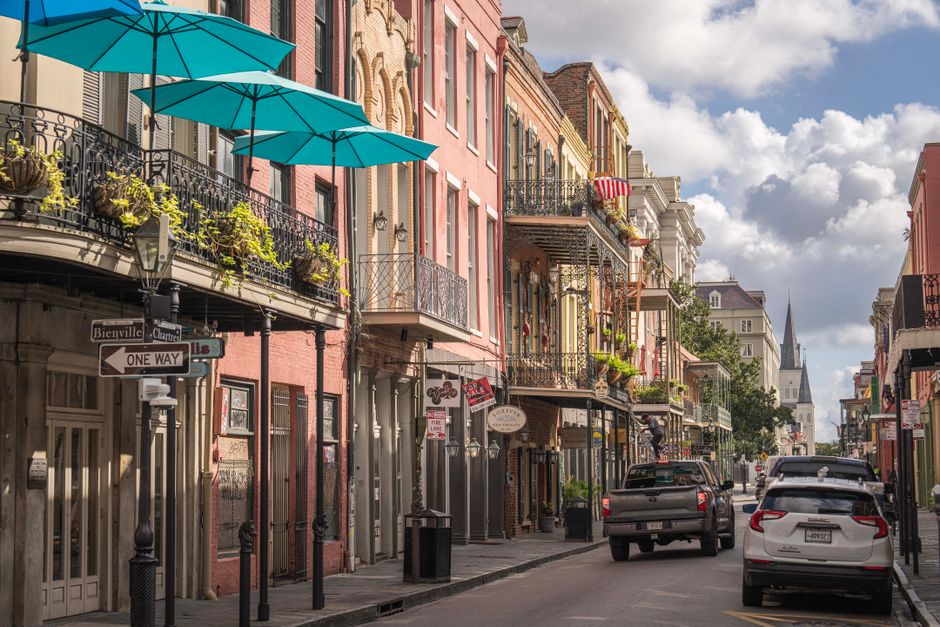
Photo by Mark Stebnicki on Pexels
Royal Street: The Heart of Serious Antiquing
Royal Street runs parallel to Bourbon Street through the French Quarter, but shopping-wise it’s a different world — more than 25 antique shops line the street, many occupying the same buildings their families have operated out of for generations. This is where New Orleans’ antique trade earned its national reputation, and it’s worth treating as a slow, multi-stop browse rather than a single destination.
M.S. Rau
Operating on Royal Street since 1912, M.S. Rau is the best-known name on the block — a multi-generation family business dealing in fine art, jewelry, and high-end antique furniture, with an inventory that regularly includes museum-caliber pieces. It’s worth a walk-through even if you’re not buying at that level, since the quality of what’s on display is genuinely educational for understanding what “period antique” actually looks like.
Royal Antiques
A few doors down, Royal Antiques specializes in French and English antique furniture — the kind of ornately carved armoires, dining sets, and case pieces that define a classic New Orleans interior. It’s a good stop for anyone furnishing a room around a genuine centerpiece antique rather than shopping for smaller collectibles.
Keil’s Antiques and Moss Antiques
Two more Royal Street names worth knowing: Keil’s Antiques at 325 Royal Street traces back to 1899, when Hermina Keil, an immigrant from Alsace-Lorraine, opened her own secondhand shop and went on to become a nationally recognized expert in American silver and antique furniture, with clientele that reportedly included Theodore Roosevelt and Woodrow Wilson. Her descendants still run the business today, along with a sister shop, Moss Antiques, a few doors down at 411 Royal Street — together with Royal Antiques, all three shops on this stretch trace back to the same family lineage, which says something about how concentrated and multi-generational Royal Street’s antique trade really is.
Lucullus
For something more specific — architectural salvage, antique lighting fixtures, and culinary and wine-related curiosities — Lucullus has built a niche reputation among design-focused shoppers and is a favorite stop for anyone renovating a historic home and looking for period-correct hardware or fixtures rather than furniture.
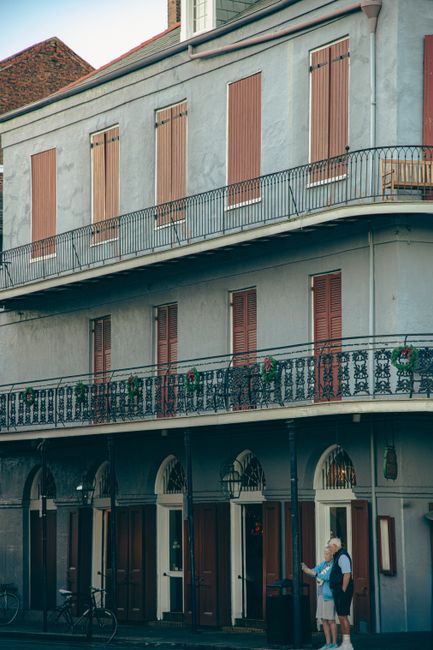
Photo by Prathyusha Mettupalle on Pexels
Magazine Street: The Longer, More Relaxed Cousin
If Royal Street is the concentrated, high-end antique corridor, Magazine Street in the Garden District is its longer, more neighborhood-feeling counterpart — six miles of antique shops, furniture stores, art galleries, clothing boutiques, and home decor shops strung along a single street. It’s less densely packed than Royal Street block-for-block, which makes it a good half-day add-on if you want a change of pace from the Quarter, better suited to browsing by streetcar or a rental bike than trying to walk the whole thing. Expect a wider spread of price points here than on Royal Street, from serious antique dealers to more casual vintage and consignment shops.
The French Market and Frenchmen Art Market
Down along North Peters Street in the Quarter, the French Market District has operated in some form since the late 1700s, making it one of the oldest public markets in the country. Today it’s a mix of open-air stalls and permanent shops running roughly 7 a.m. to 7 p.m. daily, selling local art, spices, jewelry, and souvenirs alongside food vendors. It’s a different kind of shopping than Royal Street — less about serious antiques, more about affordable local art, Louisiana hot sauce and spice blends, and handmade jewelry from local vendors. It’s also one of the better spots in the Quarter to buy directly from working local artists at accessible prices rather than through a gallery markup.
A few blocks away in the Faubourg Marigny neighborhood, the Frenchmen Art Market runs most evenings, giving local painters, jewelers, and craftspeople an outdoor stall to sell directly to visitors heading out for the neighborhood’s live music scene — a good stop if your shopping day naturally rolls into an evening out. Inside the Quarter itself, local artists also regularly display and sell work along the iron fence surrounding Jackson Square, which is worth a slow walk past even if you’ve already covered the French Market, since the mix of painters changes day to day.
Jackson Square itself sits directly in front of St. Louis Cathedral, the oldest continuously active Catholic cathedral in the United States, which makes the square a natural stop even if you’re not buying anything — the artists set up around its perimeter partly because of the steady foot traffic the cathedral and square draw year-round.
Getting to New Orleans and Getting Around
Louis Armstrong International Airport (MSY) is about 20 to 25 minutes from downtown by taxi or rideshare, with direct flights from most major US hub cities; Canadians will typically connect through a US gateway. Once you’re in the city, the French Quarter — including Royal Street, the French Market, and Jackson Square — is entirely walkable and genuinely best explored on foot, since parking is limited and the historic streets are part of the experience. Magazine Street is a different story: it’s six miles long, so the St. Charles Avenue Streetcar (a National Historic Landmark in its own right) or the RTA bus along Magazine Street are both better options than trying to walk the whole corridor, and a short cab or rideshare ride is the practical choice if you’re short on time. Royal Street shops generally open around 10 a.m.; early weekday mornings are noticeably quieter and cooler than weekend afternoons, which matter more here than in most cities given New Orleans’ humidity.
What to Budget and How to Build Your Day
Price ranges shift sharply depending on which street you’re on. Royal Street skews serious: smaller decorative pieces — porcelain, small silver, glassware — commonly run $100 to $500, while a genuine period case piece of furniture from a name dealer like M.S. Rau, Royal Antiques, or Keil’s can run from several hundred dollars into the tens of thousands for museum-caliber pieces. Magazine Street covers a much wider spread, from $20 vintage consignment finds to serious antiques priced closer to Royal Street’s range, depending on which of the six miles of shops you’re standing in. The French Market and the Jackson Square fence are the budget end of the spectrum — local art prints, jewelry, and spice blends typically run $10 to $75, making it an easy stop to enjoy without a big spending commitment.
For a single focused day, pair Royal Street with the French Market — they’re a comfortable 10-minute walk apart within the Quarter, so you can cover serious antiques and affordable local art without needing transportation. Magazine Street is genuinely a separate half-day trip given its length; treat it as a deliberate add-on with the streetcar rather than trying to squeeze it into the same day as the Quarter.
What Makes New Orleans Decor Distinct
- French and Creole antique furniture. Ornately carved armoires, sideboards, and dining pieces reflecting New Orleans’ 18th- and 19th-century French, Spanish, and Creole merchant wealth are more available here, in genuine period pieces, than almost anywhere else in the country.
- Wrought and cast ironwork. The lacy iron balconies and gates that define the French Quarter’s look show up in miniature as decorative objects — fireplace screens, garden furniture, and architectural salvage pieces — at shops like Lucullus.
- Local folk and outsider art. New Orleans has a strong tradition of self-taught and folk artists depicting jazz culture, Mardi Gras Indians, and city street life, widely available at French Market stalls, the Jackson Square fence, and smaller Quarter galleries at far more accessible prices than Royal Street antiques.
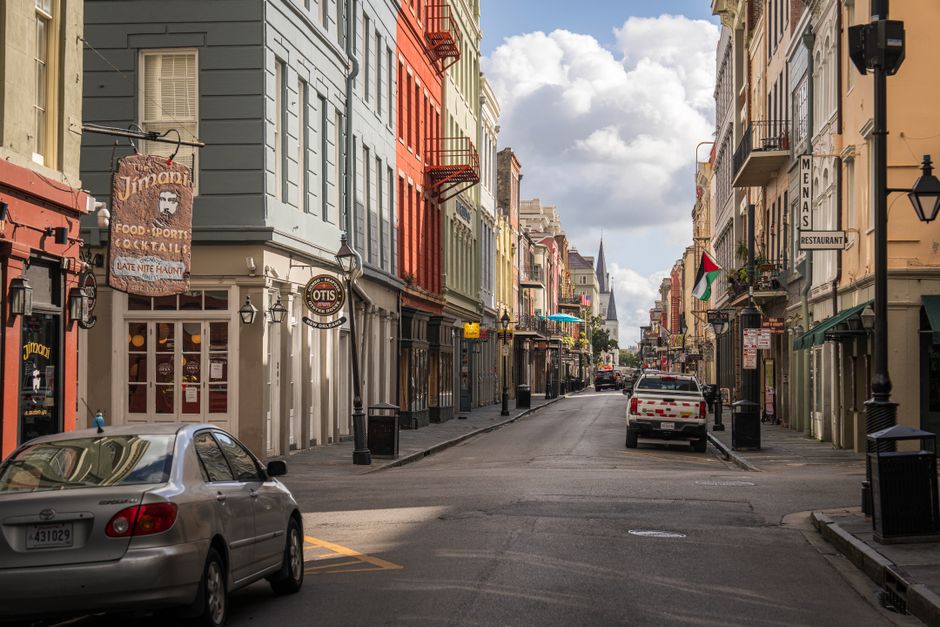
Photo by Mark Stebnicki on Pexels
Authentic Antiques vs. Tourist Reproductions: A Buyer’s Trade-Off
The French Quarter is a major tourist destination, and it’s honest to say that not every “antique” shop window along the busier tourist blocks is selling period originals — some shops mix in decorative reproductions and imported look-alike pieces, which is a completely reasonable purchase if you want the look at a lower price and the shop is upfront about it. The distinction that actually matters is between an original piece — one-of-a-kind, made by the period craftsman — and a reproduction or limited-edition print, which can still be a legitimate and attractive purchase but shouldn’t carry an original’s price tag.
The most reliable move is to start on Royal Street with established, multi-generation dealers like M.S. Rau, Royal Antiques, and Keil’s, who built their reputations on being straight about what a piece is and where it came from, and to simply ask directly: is this original, a period reproduction, or a modern piece in an antique style? A reputable dealer will walk you through a piece’s provenance without hesitation — the Historic New Orleans Collection, the city’s own history museum, is also a genuinely useful reference point if you want to see documented, dated period pieces before you start shopping, to calibrate what “real” actually looks like. Early weekday mornings are also genuinely a better time to shop Royal Street — cooler temperatures, thinner crowds, and dealers who have more time to actually talk through a piece with you rather than juggling a full shop.
Getting Your Finds Home
New Orleans humidity is genuinely hard on paper goods and unsealed wood, so if you’re buying prints, folk art on paper, or smaller wooden pieces at the French Market, get them properly protected before your flight rather than loose in a tote bag. A rigid art and poster shipping tube is worth carrying in your suitcase on the way down if you know you’ll be buying unframed prints. For ceramics, glassware, or smaller antique objects from Royal Street, a roll of bubble wrap and packing paper makes the difference between a piece that survives the flight and one that doesn’t. If Magazine Street or the French Market sends you home with more than you planned, a flat-packed collapsible duffel bag gives you a second checked bag for the return leg, and a digital luggage scale avoids an unpleasant surprise at check-in. For genuine Royal Street antiques — a case piece of furniture, say — ask the dealer about crating and freight shipping directly; most established shops handle this routinely and it’s a far safer bet than trying to check it as baggage.
What to Bring for a New Orleans Shopping Trip
Royal Street’s serious antiques and the French Market’s crafts call for different kinds of preparation, but both benefit from packing ahead rather than improvising.
- Bubble cushion wrap roll – a safer way to carry Royal Street antiques and French Market glassware home than relying on a dealer’s newspaper wrap.
- Anti-theft crossbody travel bag – keeps cash and cards secure while browsing the French Quarter and Frenchmen Art Market.
- Insulated stainless steel water bottle – Louisiana humidity makes a Royal Street to Magazine Street day longer than it looks on a map.
- Osprey Farpoint 40L travel backpack – extra carry capacity if Magazine Street’s longer gallery stretch turns into a bigger haul than planned.
Frequently Asked Questions
Is Royal Street antique shopping expensive, or are there lower-budget options?
Royal Street skews toward serious, higher-end antiques, especially at name shops like M.S. Rau, but the street includes smaller dealers with more accessible price points too. If budget is the priority, Magazine Street and the French Market both offer a wider spread of prices, from affordable local art to mid-range furniture and collectibles.
What’s the difference between Royal Street and Magazine Street shopping?
Royal Street is a dense, high-concentration antique corridor within the French Quarter, well suited to a focused afternoon on foot. Magazine Street is longer and more spread out through the Garden District, with a more neighborhood feel and a broader mix of antiques, boutiques, and casual browsing — better suited to a half-day with transportation between stops.
Is the French Market good for real antiques, or just souvenirs?
The French Market leans toward local art, spices, jewelry, and affordable souvenirs rather than serious period antiques — think of it as a complement to Royal Street’s antique shops, not a substitute. It’s genuinely one of the better spots for buying directly from working local artists, though, especially combined with the Jackson Square fence artists nearby.
Can I ship a large antique piece home instead of checking it as luggage?
Yes, and it’s generally the better option for anything beyond a small, well-wrapped item — most established Royal Street dealers regularly ship internationally and can arrange professional crating for fragile or large pieces, so ask before you assume you have to carry it yourself.
What time of day is best for antique shopping in the French Quarter?
Early weekday mornings tend to be cooler and quieter, giving dealers more time to talk through a piece’s history with you. Weekends and afternoons bring heavier foot traffic, especially in peak tourist season.
Do I need a car to get around New Orleans for shopping?
No — the French Quarter is entirely walkable, and the St. Charles Avenue Streetcar or an RTA bus covers the longer Magazine Street corridor without needing a rental car. A taxi or rideshare from Louis Armstrong International Airport into downtown takes about 20 to 25 minutes.
Is Frenchmen Art Market worth visiting if I’ve already been to the French Market?
Yes — they’re genuinely different experiences. The French Market is a daytime, multi-generation institution with food, spices, and souvenirs alongside art, while Frenchmen Art Market is a smaller, evening-only outdoor market in the Marigny focused specifically on local painters, jewelers, and craftspeople, and it pairs naturally with a night out on Frenchmen Street’s live music strip.
The Bottom Line
New Orleans rewards splitting your shopping across its different registers rather than trying to do it all on one street — Royal Street for serious, well-provenanced antiques from dealers like M.S. Rau, Royal Antiques, and Keil’s, Magazine Street for a longer, more relaxed browse across a wider price range, and the French Market and Jackson Square fence for affordable local art and the fun of buying straight from the maker. Ask questions, shop the quieter morning hours on Royal Street if you can, and pack protection for anything fragile before you fly home.
If New Orleans is part of a longer U.S. road trip, our travel packing list and best travel credit cards for Canadians guide are both worth a look before you go. For another walkable, food-and-culture-forward U.S. city guide, see our Lisbon solo travel guide for a European comparison point, or our Banff solo weekend guide if you’re staying closer to home.
More Shopping Guides
Packing to bring purchases home? See the travel shopping packing checklist.