AI-narrated version of this post using a synthetic voice. Great for accessibility or listening while busy.
Chasing the Aurora, Without the Guesswork
For a couple based in Toronto, Montreal, Calgary, Vancouver, or Edmonton, Iceland has a strange appeal: it feels far away and close at the same time. Reykjavík sits closer to Halifax than to most of Europe, and a handful of direct flights make it one of the more reachable northern-lights destinations for Canadians who don’t want to fly through a European hub first. But getting there is the easy part. Timing the trip, choosing where to sleep, and figuring out whether to chase the lights from a hotel window or a tour van full of strangers — that’s where most couples get it wrong. This guide covers the practical side: when to go, where to base yourselves, and what actually belongs in your camera bag.
When to Go: The November to March Window
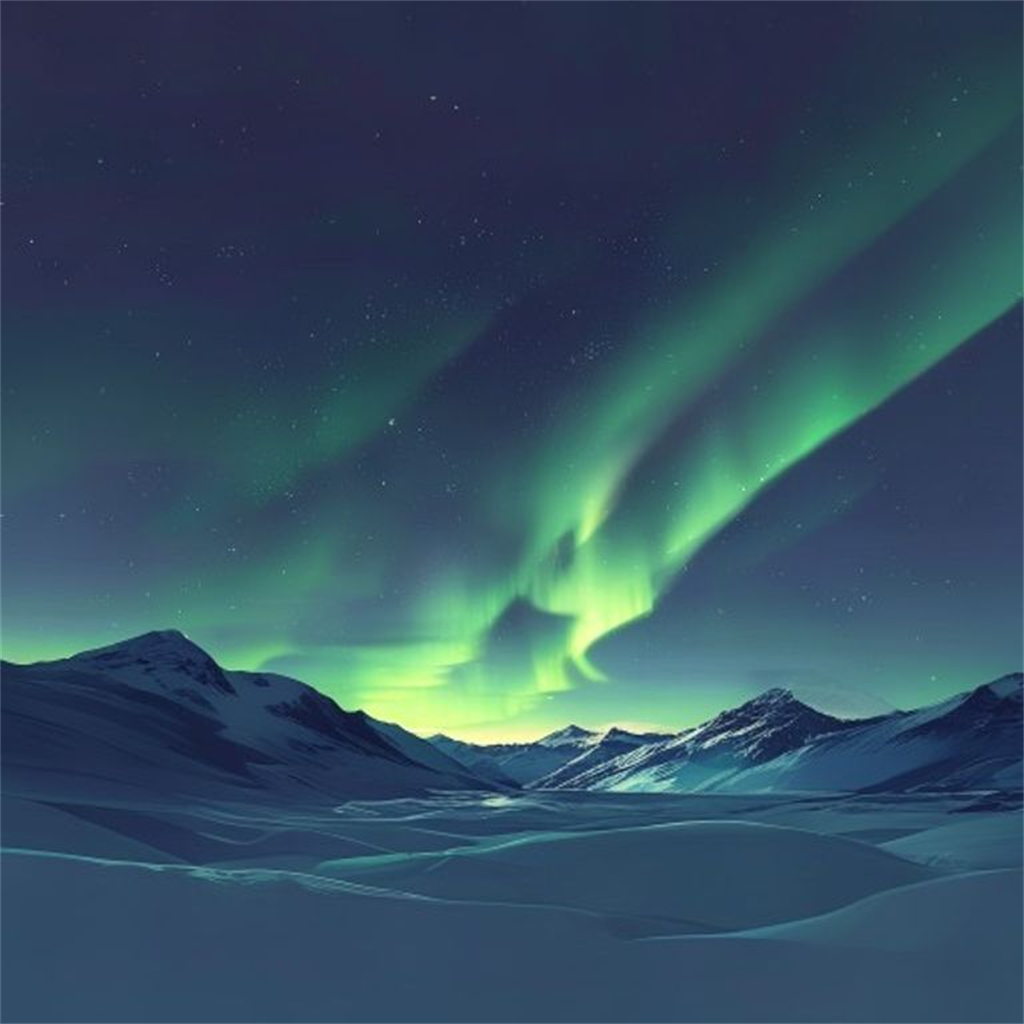
Aurora borealis, commonly called the northern lights, needs two conditions to be visible: darkness and clear skies. Reykjavík’s latitude of just over 64°N puts it well within the auroral zone, but the display itself is invisible in Iceland’s near-endless summer daylight. That’s why the practical viewing season runs from late autumn through early spring, with November through March generally offering the longest stretches of usable darkness.
None of this guarantees a sighting on any single night. The aurora is a natural phenomenon tied to solar activity and atmospheric conditions, not a scheduled show. Couples planning a short trip — say, four or five nights — should treat every clear, dark evening as a chance rather than a promise, and build in at least two or three nights of buffer if the itinerary allows it.
Weekday vs Weekend Departures
If flexibility matters more than a fixed anniversary date, look at flying midweek. Airfare on transatlantic routes tends to soften outside peak weekend departures, and a couple with loose dates can often shift a trip by two or three days and see a meaningfully different fare in Canadian dollars.
Getting There from Canada
Icelandair has historically operated direct service from several Canadian gateways, including Toronto (YYZ) and other major airports, positioning Reykjavík as a genuine long-weekend destination rather than a multi-leg ordeal. Flight times and route availability shift seasonally, so confirm current routing and schedules directly with the airline before locking in dates.
Points-focused couples should check whether their travel credit card’s transfer partners include any airline alliance networks relevant to Icelandair or connecting European carriers. A card like the CIBC Aventura or Amex Cobalt can offset a meaningful chunk of the airfare if you’ve been stockpiling points, though redemption value varies by program and by the specific route and cabin. Aeroplan and WestJet Rewards members should check award availability separately, since seat release for partner airlines is often limited and inconsistent close to peak aurora months.
Baggage matters more here than on a typical sun destination: winter gear, boots, and a camera bag with a tripod strapped to it add weight fast. Check your fare class’s checked-bag allowance before you pack, since basic economy fares on transatlantic routes often charge separately for a first checked bag.
Reykjavík as a Base vs South Coast Tours
This is the core strategic decision for a couples’ aurora trip, and there’s no universally correct answer — it depends on how much driving you want to do together and how much control you want over the experience.
Staying in Reykjavík
Reykjavík is Iceland’s capital and by far its largest population center, home to roughly a third of the country’s residents within the city itself and well over half within the wider capital region. Basing yourselves there means restaurants, museums, and geothermal pools are a short walk or cab ride away during the day, and you’re not driving unfamiliar roads after dark. The tradeoff is light pollution: city glow reduces contrast for fainter aurora displays, and serious viewing usually means driving out of town regardless.
South Coast Tour Bases
Basing part of the trip along the South Coast trades urban convenience for darker skies and closer access to the kind of open, dramatic landscape that makes for a striking aurora photo — lava fields, glacial rivers, and mountain silhouettes as foreground instead of streetlights. Many couples split the difference: a couple of nights in Reykjavík for the city, then relocate south for the darkest, clearest stretch of the trip.
Organized aurora tours departing from Reykjavík are the lower-effort option — a guide handles route planning and cloud-chasing, and you’re not the one driving on ice after a long day. A self-drive itinerary gives more control over pacing and photo stops but requires comfort with winter driving conditions, which can be genuinely demanding for visitors unused to Icelandic weather.
Choosing Lodging for Aurora Nights
Whichever base you choose, ask two practical questions before booking any property: how far is it from significant light pollution, and does it have a view or accessible outdoor space where you can step out at 1 a.m. without getting in a car. A room with an unobstructed view north or a property with a quiet outdoor common area saves you from missing a display because you were asleep, or from a cold, groggy drive when the sky finally clears.
Expect winter lodging costs in Iceland to run higher, in CAD terms, than a comparable off-peak booking in warmer destinations — this is a small, tourism-dependent country with limited room supply outside Reykjavík. Book accommodations early for peak aurora-season weekends, particularly anything paired with a long weekend or a school break back home, since capacity in smaller South Coast towns is genuinely limited.
What to Pack for the Cold
Standing outside for an hour waiting on the sky is nothing like a brisk winter walk. You’re stationary, it’s often windy, and temperatures combined with wind chill can feel far colder than the number on your phone suggests.
- Base layer: merino wool or a synthetic wicking layer, not cotton
- Insulating layer: a down or synthetic-fill mid-layer for core warmth
- Outer shell: a genuinely windproof and waterproof winter jacket
- Legs: thermal leggings under insulated or waterproof pants
- Feet: wool socks and waterproof winter boots with real tread for ice
- Hands and head: insulated gloves (plus thin liner gloves for camera work), a warm hat that covers the ears, and a neck gaiter or scarf
- Extras: hand and toe warmers, a thermos for hot tea or coffee, and a small headlamp with a red-light setting so you don’t wreck your night vision
Bring layers you can actually add and remove, since you’ll likely be warm walking to the car and cold within minutes of standing still.
Camera Gear That Actually Works for Aurora Photography
Aurora photography is a low-light, long-exposure exercise, and phone cameras alone will struggle even with recent night-mode features. A dedicated setup makes a real difference to the results.
The Essentials
- A camera with manual controls: any mirrorless or DSLR body that lets you set aperture, shutter speed, and ISO manually
- A fast, wide-angle lens: something in the f/2.8 or wider range lets in more light and captures a broader sweep of sky and landscape
- A sturdy tripod: non-negotiable for exposures of several seconds; wind and cold both make handheld shots useless
- Spare batteries: cold weather drains batteries fast; keep spares in an inside jacket pocket, not your camera bag
- A remote shutter release or self-timer: avoids camera shake from pressing the shutter button directly
A Few Practical Notes
Bring lens cloths — condensation forms fast when you move a cold camera into a warm car or hotel lobby, so let gear acclimate gradually inside a sealed bag before opening it up in a warm room. And don’t spend the entire display staring at a screen; set your shot, then look up.
Realistic Expectations for a Short Trip
A four or five-night trip built around the aurora is a reasonable target for most Canadian couples’ vacation time, but go in accepting that clouds and solar activity are outside anyone’s control. Building at least one flexible day into the itinerary — a night without a fixed dinner reservation or early departure — gives you room to chase a clear forecast instead of watching it happen from a restaurant window. Pair the aurora chase with daytime activities you’d enjoy regardless of what the night sky does, so the trip holds up even on a cloudy run.
Prices and schedules change — confirm with the airline/hotel before booking.