
AI-narrated version of this post using a synthetic voice. Great for accessibility or listening while busy.
Affiliate disclosure: NorthMarkets participates in affiliate programs including the Amazon Associates program. We may earn a commission on qualifying purchases made through our links, at no additional cost to you. Product availability and pricing change regularly — always confirm current details on the retailer’s page before buying. See our Disclaimer for full details.
Honolulu’s tourist strip is stacked with shops selling “Hawaiian” souvenirs that were printed and sewn somewhere far from the islands, and it takes a bit of local knowledge to find what’s actually made in Hawaii. The good news is that the real thing is genuinely not hard to find once you know where to look — a weekly farmers market on a community college campus, a bookstore-slash-gallery in Chinatown, a mall with a serious run of Hawaii-made boutiques, an open-air market in the middle of Waikiki, a stadium swap meet with hundreds of local vendors, and a whole surf town on the North Shore all deliver goods with a real connection to the islands, at prices that don’t assume you’re a captive resort-shop customer. Here’s where to go on Oahu for local finds that are worth the suitcase space.
KCC Farmers Market
The Saturday morning farmers market at Kapiʻolani Community College, on the slopes of Diamond Head, has been running since 2003, making it the oldest regular farmers market on Oahu. It runs from 7:30 to 11 a.m. every Saturday, with more than 70 vendors set up across the campus parking area. While the emphasis is on fresh produce, flowers, and prepared food — this is genuinely a place locals do their weekly shopping, not just a tourist stop — there’s a solid crafts and specialty-goods presence too: honey, jams, small-batch seasonings, handmade soaps, and botanical skincare products made on the islands. Go early. Popular vendors and the best produce selection thin out well before the 11 a.m. close, and parking fills up fast.

Chinatown: Native Books and Nā Mea Hawaiʻi
Honolulu’s Chinatown neighborhood, centered around Hotel Street and Nuʻuanu Avenue, is where Native Books operates out of the Arts and Letters building — the largest collection of Hawaiian and Pacific Island books and resources in the islands, alongside locally made art, jewelry, and gifts. A curated sister location, Nā Mea Hawaiʻi, showcases work specifically from local and Native Hawaiian artists and crafters: Nīʻihau shell lei, lauhala-woven hats and bags, carved wood bowls and boxes, stone carvings, and traditional hula implements, alongside locally made food, bath and beauty products, and jewelry. Chinatown itself is also home to Maunakea Marketplace and the Kekaulike Market, a cluster of produce stalls, lei shops, and small eateries worth a slow walk-through even if you’re not buying. If you want one stop that reliably sells only Hawaii-made goods rather than a mix of local and imported stock, Na Mea Hawaii is it — useful as a benchmark for what “genuinely local” looks like before you shop elsewhere.

Photo by Rohit George on Pexels
Ala Moana Center: local boutiques inside a mall
Ala Moana Center is a full-scale shopping mall, not a market, but it’s worth a mention here because a real cluster of Hawaii-made and locally founded boutiques operates alongside the national chains. Martin & MacArthur specializes in koa wood furniture, bowls, and jewelry and is one of the more reliable places on Oahu to buy a serious koa piece with a clear provenance. Manaola carries Hawaiian-designed fashion rooted in Native Hawaiian moʻolelo (story) and pattern work, and Island Slipper stocks footwear actually made in Hawaii rather than imported flip-flops with an island name slapped on. Smaller finds include Eco Town, which deals in vintage aloha wear and island memorabilia, and Auana Quilts, which sells traditional Hawaiian quilted goods. Treat Ala Moana as a useful stop for gift-quality items with predictable sizing and easy returns, in exchange for mall-level prices rather than market bargains.
International Market Place: open-air shopping in the middle of Waikiki
International Market Place sits right on Kalakaua Avenue in the heart of Waikiki, built around a banyan tree more than a century old and landscaped to evoke the historic ʻApuakehau stream that once ran through the site. It’s an open-air center rather than an enclosed mall, mixing well-known retail brands with a smaller set of local vendors and experiences: Kona Coffee Purveyors for Hawaii-grown coffee, a rotating lineup of local craft and gift stalls, and cultural workshops that periodically teach lei-making, hula, and ukulele. It won’t replace a dedicated Hawaiian-made stop like Na Mea Hawaii, but if you’re already staying in Waikiki without a car, it’s a walkable way to combine shopping with a taste of Hawaiian culture and craft between beach time.
Aloha Stadium Swap Meet
Held in the parking area of Aloha Stadium in Halawa, this swap meet runs with more than 400 vendors and is one of the best places on Oahu for volume browsing — everything from fresh produce and baked goods to handmade crafts, wind chimes, paintings, ukuleles, soaps and candles, jewelry, and wood carvings, alongside plenty of standard Hawaiian-shirt and t-shirt stalls. It runs on a set weekly schedule: Wednesdays from 8 a.m. to 3 p.m., Saturdays from 8 a.m. to 3 p.m., and Sundays from 6:30 a.m. to 3 p.m. It’s a cash-friendly market with a small admission fee that includes parking, and arriving early is worth it both to beat the crowds and the heat, since much of the market is outdoors with limited shade. Because there are so many vendors, quality and authenticity vary stall to stall more than at KCC or the Chinatown shops — this is a market where it pays to walk the whole thing once before buying, so you can compare a few stalls selling similar goods before committing.

Photo by Levent Eldem on Pexels
For a sense of the scale and pace of the place before you go, this walking tour covers a typical lap of the market:
Haleiwa and the North Shore: surf town shopping
If a rental car or a full-day tour is part of your Oahu trip anyway, Haleiwa on the North Shore is worth building an afternoon around. It’s a small, plantation-era surf town roughly 35 to 40 minutes from Waikiki by car, and its shops lean toward genuinely local and independent rather than chain retail. Haleiwa Store Lots is the easiest cluster to browse on foot, home to the Clark Little Gallery (large-format ocean and wave photography shot on Oahu’s North Shore) and Polu Gallery, alongside smaller vendors like North Shore Goodies for locally made food products and the ʻUkulele Site for handcrafted instruments. Longtime surf shops including Surf N Sea and the Quiksilver North Shore Boardriders Club round out the town’s surf-culture side, with boards, wetsuits, and North Shore-branded apparel actually sold out of the town where big-wave surfing put Oahu on the map. Parking in Haleiwa is limited and street-level, so expect to circle a block or two on a busy weekend.
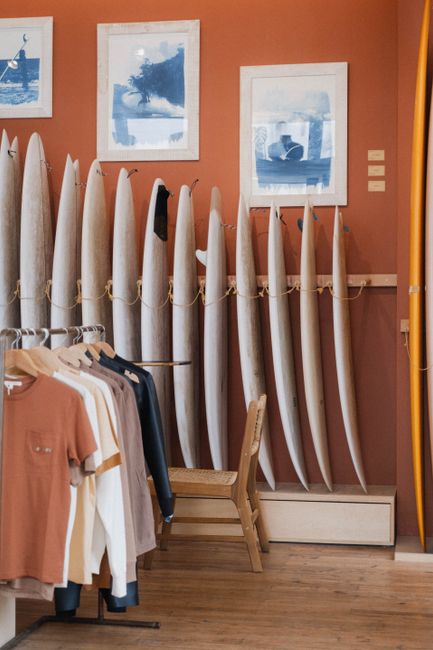
Photo by Mathias Reding on Pexels
What’s genuinely Hawaiian-made vs. mass produced
Koa wood is the clearest marker of genuinely local craft — it’s a hardwood native to Hawaii, increasingly limited in supply, and used for everything from small carved bowls to ukuleles and furniture. Because good koa is expensive and slow to work, a well-made koa piece is rarely cheap; if a “koa” item is priced suspiciously low, it’s worth asking directly what wood was actually used. Ukuleles are similar — locally built instruments from actual Hawaii-based luthiers cost meaningfully more than the mass-produced versions stocked in tourist-strip shops, but the difference in sound and construction quality is real. Lauhala weaving (plaiting dried leaves of the hala, or pandanus, tree) and Nīʻihau shell lei are both labour-intensive traditional crafts that command higher prices for good reason — a Nīʻihau shell lei in particular can run into hundreds or thousands of dollars for a well-made piece, reflecting how rare and painstaking the shell-sourcing and stringing process is. The broader lei tradition in Hawaii predates Western contact and carries real cultural weight beyond the airport-greeting version most visitors first encounter, which is part of why a hand-strung lei from a Chinatown lei shop or Na Mea Hawaii costs more than a plastic one from a gift shop rack.
State-level certification can help too: look for the “Made in Hawaii with Aloha” logo or the Hawaii Seal of Quality on packaged goods like food, skincare, and coffee. Both are official state programs that legally restrict who can use the label, so a product carrying either mark has been verified as actually grown or made in Hawaii rather than just branded that way. Neither program covers handmade crafts like woodwork or lei, which is why vendor reputation and asking direct questions still matter most for those categories.
On the other end, the aloha shirts, printed sarongs, and shell-and-bead jewelry filling most Waikiki gift shops are, realistically, imported and mass produced. That’s not a knock on buying one as an inexpensive, fun souvenir — it’s simply a different category from the artisan goods at KCC, Na Mea Hawaii, Ala Moana’s local boutiques, or the better stalls at the swap meet, and it’s worth knowing which category you’re buying into so you’re not paying artisan prices for an imported item.
Practical tips for Canadian and mainland US visitors
Hawaii uses US dollars, so Canadian visitors should factor in the current exchange rate and check whether their credit card charges foreign transaction fees before relying on card payments — cash is genuinely useful at KCC and essential at the Aloha Stadium Swap Meet, where many individual vendors still don’t take cards even though the gate does. Bargaining is not really part of the culture at any of these venues; prices are generally firm, though it doesn’t hurt to ask about a discount on multiple items at the swap meet specifically. This is a real contrast with markets in destinations like Mexico, where bargaining is a normal and expected part of the transaction — in Hawaii, treat the asking price as the price.
Getting around without a rental car is genuinely workable for most of these stops. TheBus reaches KCC, Chinatown, Ala Moana Center, and Aloha Stadium, and runs on a flat fare paid with a reloadable HOLO card (sold at ABC Stores and other retailers around Waikiki); a private open-air trolley line also loops between Waikiki hotels and Ala Moana Center for visitors who’d rather skip transfers. Rideshare covers the same ground with less waiting. Haleiwa and the rest of the North Shore are the exception — a rental car or a organized tour is the practical way to get there, since bus service exists but takes considerably longer than driving. If you do rent a car, budget extra time for Oahu’s traffic, which is genuinely some of the worst of any Hawaiian island during weekday commute hours, and expect to pay for parking at Ala Moana Center and International Market Place during peak times even though short-term validated parking is often available.
Packing your finds for the flight home
A koa wood bowl or carved piece deserves real protection in a checked bag — wrap it and pack it centrally, and bring a few sheets of bubble wrap or packing paper from home rather than relying on a market vendor’s wrapping. Shell lei and jewelry travel far better in a dedicated jewelry travel case than loose in a suitcase pocket, where delicate shell stringing can catch and break. If a Saturday at KCC and a swap-meet haul add up to more than your suitcase can hold, a flat-packing collapsible duffel bag tucked into your outbound luggage solves the problem without buying a bag locally, and a portable luggage scale is worth the few dollars to avoid a surprise overweight fee at check-in, especially with a koa piece or two added to your normal luggage weight.
If Oahu is part of a longer Pacific or West Coast trip, our guide to travel credit cards for Canadians is worth a look before you go, and our winter travel packing list is a handy companion read if you’re flying out from a cold-weather departure city. If you gravitate toward independent, self-planned trips generally, our guide to solo travel in Tokyo and our Banff solo weekend guide cover a similar independent-traveller approach in two very different settings. The official Go Hawaii visitor site is also a solid source for current hours, seasonal events, and any advisories before you land.
Best time of year to shop on Oahu
Oahu’s climate is mild enough year-round that weather is rarely the deciding factor in when to visit, but a few local patterns are worth knowing before you plan a shopping-focused trip. Winter (roughly December through February) brings the biggest crowds and highest accommodation prices, tied to whale-watching season and mainland winter escapes, which means busier stalls at KCC Farmers Market and the Aloha Stadium Swap Meet, plus more competition for parking at Ala Moana Center. Late spring and fall shoulder seasons offer a similar market experience with noticeably lighter crowds. The Aloha Stadium Swap Meet runs on a set weekly schedule regardless of season, so it is reliably available whenever you visit, while KCC’s Saturday-only, 7:30-to-11 window is worth planning your whole day around rather than treating as a quick stop. Haleiwa gets its own seasonal wrinkle: North Shore surf season peaks in winter, which brings more visitors specifically to watch big-wave surfing and can make the town’s small parking supply tighter than usual.
Currency and typical prices
Because Hawaii uses US dollars, mainland American visitors have no conversion to think about, while Canadian visitors should budget for the exchange rate on top of sticker prices. Expect KCC Farmers Market goods to be priced similarly to a well-stocked mainland farmers market, with handmade specialty items like soaps or small crafts running a modest premium over mass-market equivalents. Ala Moana Center and International Market Place sit at mall-level pricing, generally higher than KCC, Chinatown, or the swap meet for comparable categories, in exchange for fixed pricing, easy returns, and air conditioning. Genuinely local koa wood pieces, quality ukuleles, and Niʻihau shell jewelry sit at the high end of the price spectrum for good reason, reflecting scarce materials and labour-intensive techniques — treat a low price on any of these three categories specifically as a signal to ask more questions about where the item actually came from.
What to Bring for an Oahu Shopping Trip
From the KCC Farmers Market to the Aloha Stadium Swap Meet, a full day of Oahu shopping covers a lot of ground and a lot of sun.
- Reef-safe sunscreen SPF 50 – Hawaii’s reef-safe sunscreen law makes this worth packing before you land rather than searching for compliant options once you’re there.
- Foldable reusable shopping tote – sized right for a KCC Farmers Market or Aloha Stadium Swap Meet haul.
- Insulated stainless steel water bottle – worth having for a day that stretches from Chinatown to Ala Moana Center.
- 10L waterproof dry bag – keeps purchases dry and sand-free on a Haleiwa or North Shore day.
- UPF wide-brim sun hat – the International Market Place and Aloha Stadium Swap Meet both involve real time in direct sun.
Frequently asked questions
What time should I arrive at KCC Farmers Market to get the best selection?
As close to the 7:30 a.m. opening as you can manage. Popular vendors and the best produce sell out well before the 11 a.m. close, and parking gets tight by mid-morning.
Is the Aloha Stadium Swap Meet worth it if I’ve already been to KCC and Chinatown?
Yes, for sheer volume and variety — with 400-plus vendors it’s a different scale of browsing entirely, though expect more variability in quality and authenticity than at the more curated Chinatown shops.
Do I need cash at all of these markets?
Cash is essential at the Aloha Stadium Swap Meet, where many individual vendors don’t take cards, and useful at KCC. Chinatown shops like Na Mea Hawaii, Ala Moana Center, and International Market Place generally accept cards.
How can I tell if a koa wood item is genuine?
Price is a reasonable indicator — genuine koa is expensive due to limited supply, so a suspiciously cheap “koa” item likely isn’t. Ask the vendor directly what wood was used if you’re unsure, and look for the Made in Hawaii with Aloha or Hawaii Seal of Quality marks on packaged goods where they apply.
Is bargaining acceptable at Hawaiian markets?
Not really, unlike many other international markets. Prices at KCC, Chinatown, Ala Moana, International Market Place, and the swap meet are generally firm, though asking about a small discount on a multi-item purchase at the swap meet is reasonable.
Do I need a rental car to shop at Haleiwa and the North Shore?
Practically, yes, or a tour that includes it. TheBus does serve the North Shore, but the ride from Waikiki takes considerably longer than driving, and Haleiwa’s own parking is limited street-level parking rather than a dedicated lot.
The bottom line
Skip the resort gift shops and budget time for KCC Farmers Market, Chinatown’s Native Books and Na Mea Hawaii, the local boutiques at Ala Moana Center, International Market Place, the Aloha Stadium Swap Meet, and a North Shore afternoon in Haleiwa. Between these stops, you’ll cover fresh local goods, curated Hawaiian-made art and crafts, mall-level convenience shopping, volume browsing across hundreds of independent vendors, and a genuine surf town — a far more complete slice of Oahu than anything sold along the main tourist strip.
Related Auburn AI Products
Build a Canadian content property that earns via affiliates and AdSense? Auburn AI has production kits: