AI-narrated version of this post using a synthetic voice. Great for accessibility or listening while busy.
Why Jasper’s Dark Sky Preserve Is Worth the Drive
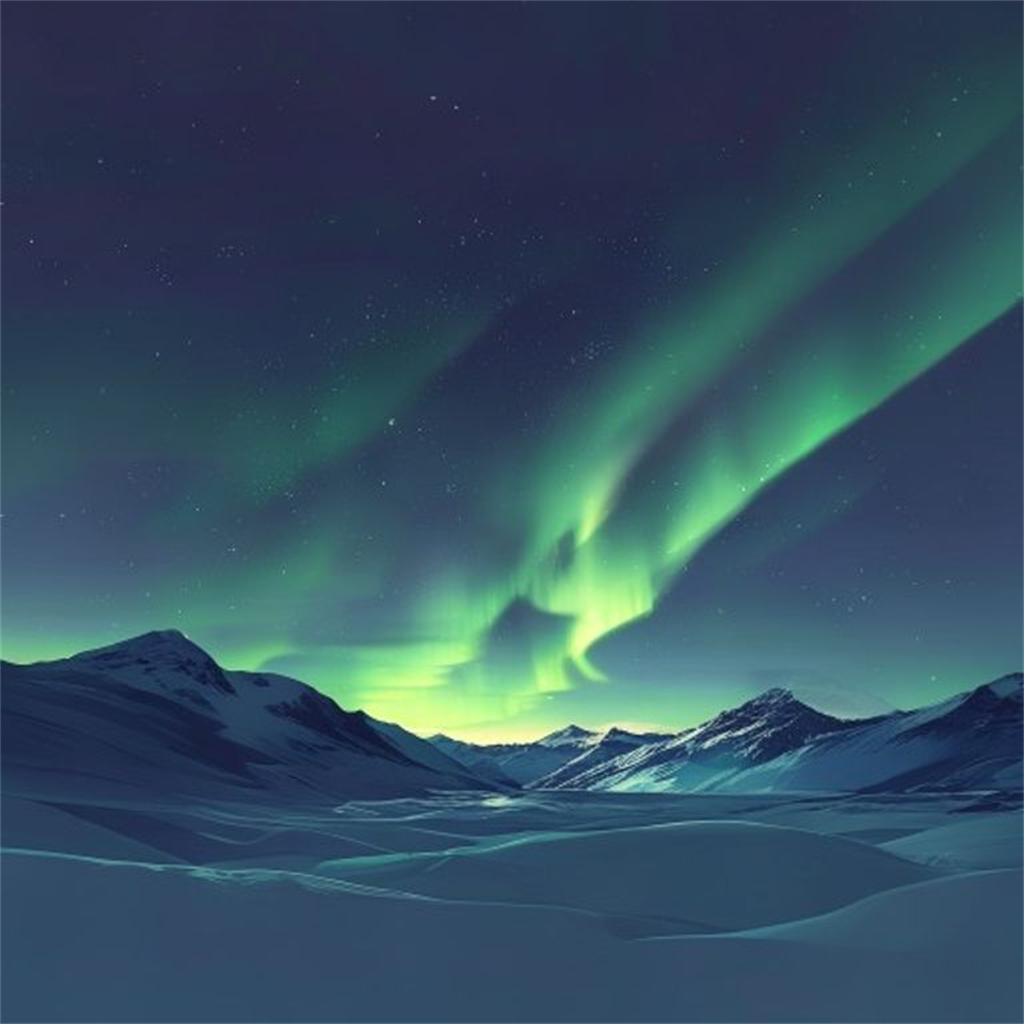
Most couples picture the Rockies in daylight — turquoise lakes, glacier views, maybe a wildlife sighting from the car. Jasper National Park has all of that. But after sunset, it offers something increasingly rare for Canadian travellers: a sky with no light pollution competing for attention. Jasper is recognized as a dark-sky preserve, one of the designations used around the world to protect naturally dark night skies from the glow of nearby towns and cities. For couples flying in from Toronto, Vancouver, or Montreal, where even suburban skies rarely show more than a few dozen stars, the contrast is immediate.
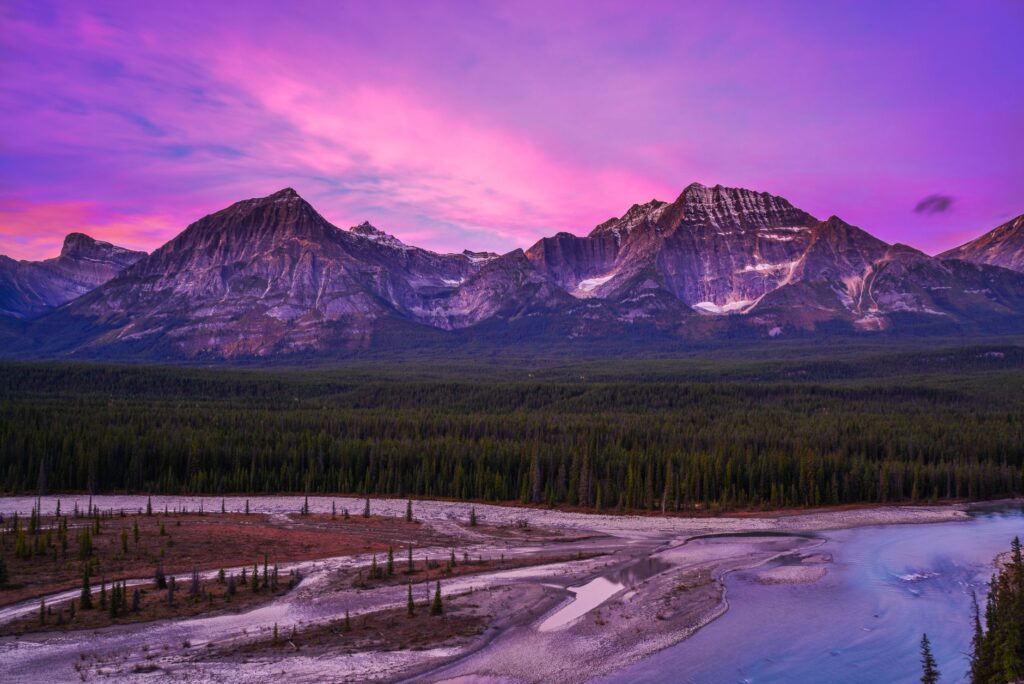
At roughly 11,000 square kilometres, Jasper is the largest park in Alberta’s Rocky Mountains, and most of that land sits far from any significant artificial light. That scale matters for stargazing trips — it means the dark sky isn’t confined to one overlook. You have options, and that flexibility is useful when you’re planning a trip around weather, moon phase, and where you’re staying.
Dark Sky Festival Timing
Jasper hosts an annual Dark Sky Festival, typically scheduled in the fall when nights lengthen and the air tends to be clearer. If a festival-timed trip is the plan, book flights and accommodation early — demand spikes hard around festival weekends, and prices for both flights and lodging climb accordingly. Couples who want festival programming without festival crowds should look at the week before or after the main event; the sky doesn’t know the difference, but your wallet will.
Confirm exact festival dates directly with Tourism Jasper or Parks Canada before booking anything non-refundable. Festival schedules shift year to year, and travel content tends to lag behind the official calendar.
New Moon Planning: Getting the Dates Right
Moon phase matters more than almost anything else for a stargazing trip. A full moon washes out faint stars and the Milky Way’s core almost entirely, even under genuinely dark skies. A new moon — or the few nights on either side of it — gives you the deepest contrast and the best shot at seeing the Milky Way as more than a smudge.
Before locking in flights, check a lunar calendar against your travel window. Aim for a trip that straddles the new moon by two or three nights in either direction; that buffer protects you if the first night or two gets clouded out, which happens often enough in the mountains that it’s worth planning around. Clear, moonless nights in the Rockies can also run cold, even in shoulder season, so pack layers regardless of which month you choose.
Best Stargazing Viewing Locations
Because the park covers so much ground, couples have real choice in where to set up for the night. Pullouts and open viewpoints along the park’s main corridors tend to offer wide horizon-to-horizon sky with minimal obstruction from tree cover, which matters if you’re hoping to catch the Milky Way low on the horizon rather than just overhead. Lakeside locations add a second advantage: calm water can mirror the sky, effectively doubling the visual impact without any extra effort on your part.
A few practical notes apply to any viewing spot in the park:
- Arrive while there’s still light to find safe, legal parking — fumbling for a pullout in total darkness isn’t worth the risk.
- Bring red-light headlamps or phone flashlight filters; white light ruins night vision for everyone nearby, including other couples who drove out for the same reason.
- Check road conditions before heading out after dark, especially in shoulder seasons when ice can form quickly after sunset.
- Wildlife is active at dusk and dawn in Jasper. Stay alert, make noise walking to and from your car, and don’t wander far from well-used pullouts.
Confirm current access rules and any seasonal closures with Parks Canada before your trip — some roads and viewpoints have restricted hours or are affected by maintenance.
Lodge or Cabin: Choosing Where to Stay
This is less about luxury and more about logistics. A lodge-style property inside or near the townsite of Jasper puts you close to restaurants, gear shops, and a shorter drive back after a night outside in the cold — appealing if you’d rather not navigate dark mountain roads at 1 a.m. The townsite itself sits in the Athabasca River valley and functions as the commercial hub of the park, so it’s the natural base for couples who want convenience bookended around their stargazing.
A backcountry-style cabin or a property further from town trades that convenience for proximity to darker sky directly outside your door. If you’re staying somewhere with minimal light spill nearby, you may not need to drive anywhere at all to get a meaningful view — you can step outside, let your eyes adjust for fifteen or twenty minutes, and start seeing detail. That’s a real advantage for couples who don’t want to coordinate a late-night drive after a bottle of wine at dinner.
There’s no universally “correct” answer here. Decide based on how much driving you’re willing to do after dark and how much you value walkable restaurants versus total quiet. Whichever you choose, book early for festival season — Jasper’s lodging inventory is limited relative to how much demand spikes in peak stargazing windows, and prices rise well before dates sell out.
Winter vs. Autumn Viewing
Autumn, particularly around the Dark Sky Festival window, tends to offer a reasonable balance: nights are long enough for good viewing, temperatures are cold but generally manageable, and roads are typically still clear of heavy snow. It’s also the most crowded stretch of the shoofly season, so expect to share viewpoints with other visitors.
Winter extends the dark hours considerably — more time for viewing per night, assuming skies cooperate. The tradeoff is real cold, the possibility of winter road closures or difficult driving conditions on mountain routes, and shorter daylight hours for the daytime half of your trip. Couples comfortable dressing for genuinely cold nights and willing to check road conditions obsessively can get spectacular, nearly empty viewing in winter. Couples who want a gentler version of the same experience should lean toward autumn.
Whichever season, check Parks Canada’s current road and weather advisories close to your departure date — mountain conditions change quickly and don’t always match the forecast for the townsite itself.
Getting There from Canadian Airports
Jasper doesn’t have a major commercial airport, so most Canadian couples will fly into Edmonton (YEG) or Calgary (YYC) and drive the rest of the way. Edmonton is the shorter drive of the two; Calgary gives you the option of routing through Banff National Park and the Icefields Parkway if you want to extend the trip into a two-park Rockies tour.
From Toronto (YYZ), Montreal (YUL), or Vancouver (YVR), expect a connecting flight through Calgary or Edmonton on Air Canada or WestJet, with WestJet’s Calgary hub giving it a natural edge on that specific routing. Round-trip fares from eastern Canada to Calgary or Edmonton typically range from the low 400s to over 800 CAD depending on season and how far ahead you book — festival weekends and winter holidays push prices toward the higher end. If you hold Aeroplan or WestJet Rewards points, this is a reasonably efficient redemption route since both airlines fly it directly with regular capacity, unlike many smaller mountain-town routes.
A rental car is close to mandatory once you land, since Jasper’s townsite and the park’s viewpoints are spread out and not realistically walkable from any airport. Factor rental costs, winter tire requirements if you’re traveling November through March, and fuel into your overall budget — these add up fast on a mountain itinerary and are easy to underestimate when you’re focused on flight prices alone.
A travel credit card with no foreign transaction fees and strong travel insurance — CIBC Aventura, Amex Cobalt, and Scotia Passport are common choices among Canadian travellers — is worth having for the rental car and any last-minute lodging changes, particularly if weather forces a schedule shift.
Prices and schedules change — confirm with the airline/hotel before booking.